
Essential Wound Care: Understanding and Managing Wounds Effectively
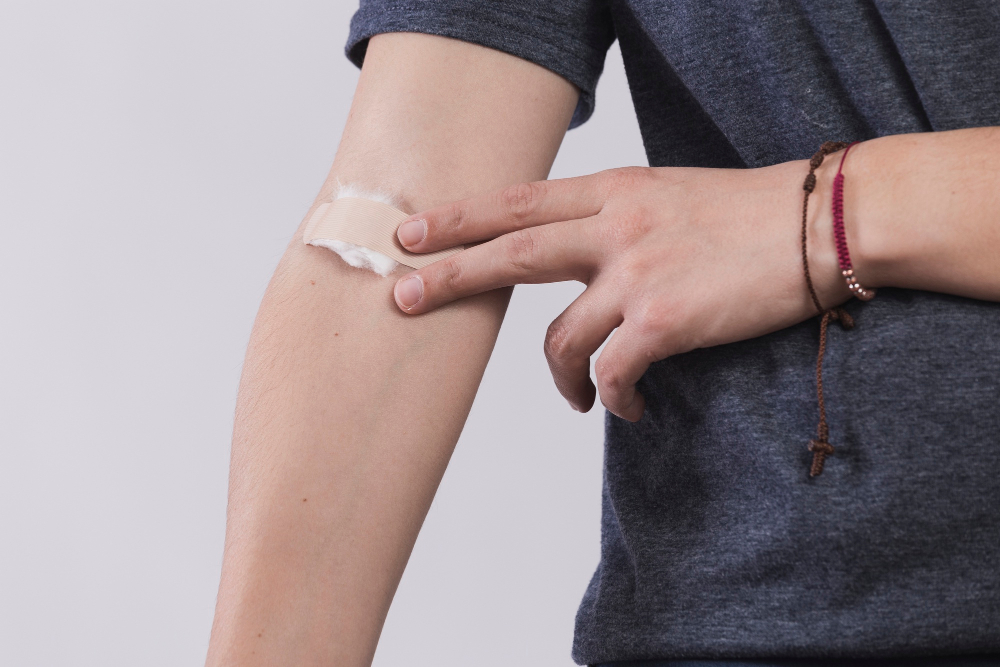
Wound care is crucial for promoting healing and preventing complications. Proper wound care or management significantly affects recovery outcomes, making knowledge of effective practices essential for both the patient and caregiver.
สารบัญ
Types of Wounds: Identifying Open and Infected Wounds
Wounds can be classified into various categories, primarily open wounds and infected wounds.
Open Wounds
Open wounds occur when the skin is broken, exposing underlying tissues. These wounds can result from various causes, including cuts, abrasions, punctures, or surgical incisions. Common examples of open wounds include
- Lacerations – jagged cuts that can occur due to accidents or falls.
- Abrasions – surface wounds typically caused by friction against a rough surface.
- Punctures – small but deep wounds often caused by sharp objects.
It is essential to understand how to care for these open wounds to minimize infection risks and support optimal healing.
Infected Wounds
Infected wounds arise when bacteria enter broken skin, leading to symptoms like redness, swelling, heat, pus, and increased pain. These signs indicate a body response to clear the infection. Infections can arise from open wounds if they are not appropriately cared for or if the wound is exposed to bacteria.
Treating an infected cut involves several steps. Initial measures include cleaning the wound with antiseptic solutions and applying appropriate dressings. In some cases, medical assistance may be required, particularly if the infection is severe, as it might necessitate antibiotics or surgical intervention.
Understanding both open and infected wounds is key to effective wound care management. Knowledge about these differences helps ensure appropriate treatment strategies are deployed timely. All wound management strategies should prioritize cleanliness and aim to maintain a moist environment to aid in quicker healing.
In conclusion, effective wound care involves a clear understanding of wound types and appropriate management methods. By recognizing the differences between open and infected wounds, individuals can better prepare for treatment and healing processes, ultimately promoting faster recovery and reducing complications.
How to Clean a Wound: Step-by-Step Guide
Cleaning a wound properly is crucial for preventing infection and ensuring optimal healing. To clean a wound effectively, start by gathering the necessary tools and supplies. You will need clean water or a saline solution, mild soap, gauze pads, and antiseptic wipes or solutions.
Follow these detailed instructions for effective wound cleaning:
- Wash Your Hands: Begin by thoroughly washing your hands with soap and water to prevent transferring bacteria to the wound.
- Rinse the Wound: Gently rinse the wound with clean water or saline to remove any dirt or debris. Avoid using alcohol or hydrogen peroxide as these can further damage the tissue.
- Use Soap: If the wound is dirty, apply mild soap around the area, but avoid getting soap directly into the wound itself.
- Pat Dry: Use a clean gauze pad or towel to pat the area dry carefully.
- Apply Antiseptic: Once the wound is dry, apply an antiseptic solution or ointment to help prevent infection.
Cleaning Techniques
Different wounds may require specific cleaning techniques. For example, minor cuts and scrapes can generally be treated at home with the above steps. However, for deeper wounds, punctures, or animal bites, professional medical help may be necessary. Indicators that you should seek professional assistance include excessive bleeding, deep wounds, or if the wound shows signs of infection like redness, swelling, and pus. Understanding when to escalate care is essential in minimizing complications.
Signs of Healing
As the wound begins to heal, watching for specific signs will help ensure proper recovery. A healing scab typically forms as part of the body’s natural repair process. It indicates that the body’s immune system is active and working effectively to close the wound. In addition, you should look for reductions in swelling and redness as positive signs of healing. However, if you notice increased pain, discharge, or worsening conditions, these may suggest complications needing attention.
Best Antiseptics for Open Wounds
Choosing the right antiseptic for open wounds is essential for promoting healing and preventing infections. Some of the best antiseptics for open wounds include iodine-based solutions, silver sulfadiazine, and various alcohol-free options that help maintain a moist environment for healing.
When evaluating antiseptics, consider the size and type of the wound, as well as any known allergies. Products like betadine and hydrogen peroxide have been traditional choices but can be harsh. Newer alternatives such as foams and gels can provide effective antimicrobial action without harming existing tissue. Comparing these options enables individuals to select the best antiseptic for their needs.
Ultimately, understanding how to clean a wound properly and selecting the right antiseptic are vital steps in wound care. By following these guidelines, you can ensure rapid and healthy wound healing while minimizing risks.
How to Treat Infected Wounds at Home
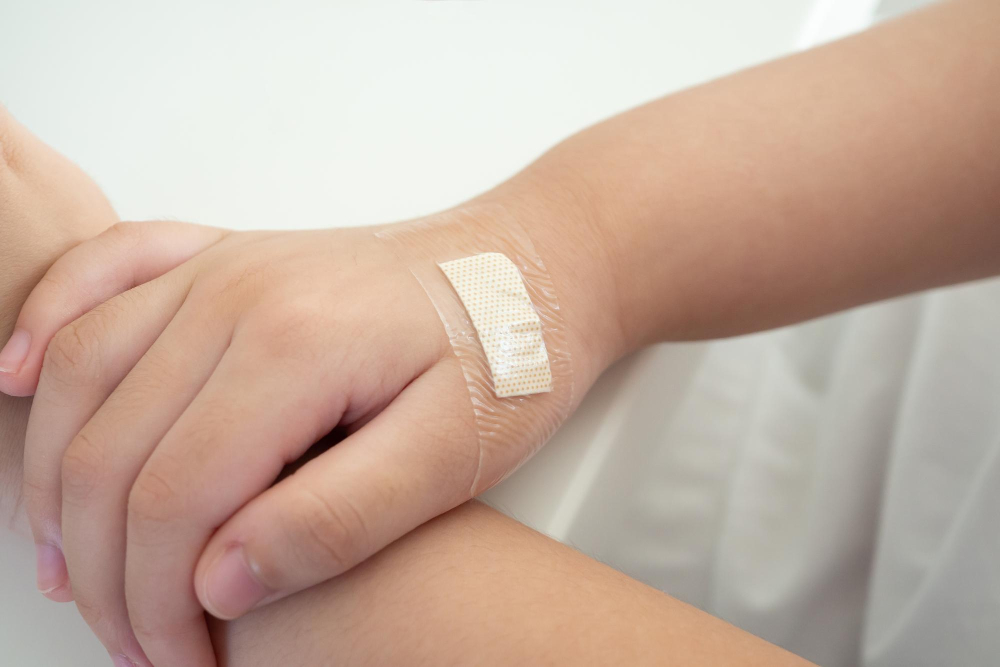
Treating infected wounds at home requires a thoughtful approach to ensure healing and minimize complications. For anyone asking how to treat infected wounds at home, it’s essential to have a clear understanding of both home remedies and medical treatments available. The first step is to clean the wound thoroughly. Gently rinse the area with mild soap and water, ensuring all debris is removed. This initial cleaning helps reduce the risk of further infection.
Other effective treatments include applying an over-the-counter antibiotic ointment to promote healing and prevent bacteria from thriving. Bandaging the wound properly can also protect it from external contaminants. Additionally, keeping the wound dry and changing the dressing regularly is crucial. For those wondering how to clean an infected wound, it’s advisable to avoid using hydrogen peroxide or alcohol as these might irritate the tissue and delay healing.
Understanding when to consider medical intervention is equally important. If you notice increased redness, swelling, or pus, seek professional help. Delaying treatment could lead to more severe infections or complications, highlighting the essential balance between home treatment and when to seek medical assistance.
Home Treatments
Effective home treatments for infected wounds can significantly enhance the healing process. Using natural remedies like honey, which has antibacterial properties, can be beneficial for minor infections. Applying a small amount of honey directly to the wound before bandaging may promote healing. Moreover, ensuring that your tetanus vaccination is current can help avoid complications from cuts and abrasions.
Other practical tips for reducing infection risk include keeping the affected area clean and dry. Monitoring for any signs of worsening infection—such as persistent pain, fever, or spreading redness—is vital. It’s crucial to remember that while home remedies can aid in healing, vigilance in observing the wound’s progress is necessary to ensure it does not worsen.
When to Seek Help
Recognizing when to seek help for an infected wound is critical. Signs indicating the need for professional treatment include severe pain that doesn’t subside, significant swelling, and fever developing alongside the wound. These symptoms suggest that the body may be struggling to combat the infection, necessitating medical intervention.
If the infected wound does not begin to heal within a few days of proper home care, consulting a healthcare provider is advisable. Professional treatments can include a more substantial antibiotic regimen and, in severe cases, surgical intervention to ensure the infection does not spread.
Wound Care Tips: Dos and Don’ts
Maintaining optimal wound care involves following certain guidelines to facilitate effective healing. Important dos include cleaning the wound daily and applying fresh dressings regularly to keep the area protected. Keeping a close watch on any changes is recommended so that prompt action can be taken if complications arise.
However, numerous common mistakes should be avoided during wound treatment. For instance, do not apply excessive pressure when cleaning, as this can irritate the area. Also, avoid using products not specifically designed for wound care, like perfumed or alcohol-containing products, which can delay the healing process.
Overall, understanding how to care for an infected wound at home ensures a more effective healing journey while knowing when to seek professional help fortifies your health against complications.
Conclusion
Effective wound care is vital for promoting healing and preventing complications, with a focus on understanding wound types and management methods. Open wounds arise from abrasions, lacerations, or punctures, while infected wounds occur when bacteria enter broken skin, exhibiting redness, swelling, and increased pain. Proper wound cleaning, involving handwashing, gentle rinsing, and antiseptic application, is crucial. Using suitable antiseptics like iodine-based solutions helps prevent infections. Home treatment for infected wounds includes cleaning, applying antibiotic ointments, and keeping the wound dry. Recognizing signs of infection, such as persistent redness and pain, is essential for seeking timely medical intervention. Following these guidelines ensures rapid, healthy wound healing while minimizing risks, marking a balance between home care and professional assistance when necessary.